

Mixing Sex Toy Materials: The Do’s and Don’ts Explained
Mixing sex toy materials can feel exciting and curious, especially when you’re exploring new sensations or expanding your experience. Yet behind that curiosity, there’s an important layer of safety, compatibility, and body awareness that often gets overlooked. Understanding how different materials interact isn’t just about protecting your toys—it’s about protecting your body and maintaining long-term comfort.
From a psychological and nervous system perspective, feeling safe during intimate experiences plays a significant role in pleasure. When your body senses safety, it relaxes, opens, and becomes more responsive. When uncertainty or irritation is present, even subtly, it can create tension. Learning how to mix materials mindfully allows you to stay grounded, confident, and connected to your experience.
Table of Contents – Mixing Sex Toy Materials
- Why Sex Toy Materials Matter
- Understanding Common Materials
- Material Compatibility and Reactions
- Hygiene and Cleaning Considerations
- Psychological Safety and Comfort
- Best Practices for Mixing Materials
- Key Takeaways
- Frequently Asked Questions

Why Sex Toy Materials Matter
When exploring mixing sex toy materials, it’s important to understand that not all materials behave the same way. Some are porous and can harbor bacteria, while others are non-porous and easier to clean. These differences directly impact hygiene, durability, and overall safety during use.
In my studies, I’ve noticed that many people focus on sensation without considering material interaction. However, materials can affect temperature, texture, and even how the body responds over time. Choosing the right combination isn’t about restriction—it’s about creating a safer, more intentional experience that supports both pleasure and wellbeing.
Understanding Common Materials
Different materials offer different sensory experiences, which is why mixing them can feel appealing. Silicone is soft and flexible, stainless steel is firm and temperature-responsive, and glass offers smooth, consistent pressure. Each material has unique properties that influence how it interacts with the body and with other materials.
Resources like this body-safe material guide explain how non-porous materials such as steel and glass are generally safer for long-term use. Porous materials, while sometimes softer, require more careful cleaning and are less ideal for mixing due to potential bacterial retention.
One pattern I’ve noticed is that people who understand material properties tend to feel more confident and relaxed. That confidence translates into better experiences because the mind is no longer distracted by uncertainty or concern about safety.
Material Compatibility and Reactions
Not all materials should be used together directly. Some combinations can cause chemical reactions or degrade the surface of the toy. For example, silicone-based products should not be used with other silicone materials in certain contexts, as this can damage the surface and reduce longevity.
Exploring guides like this resource on safe materials and practices can help clarify which combinations are considered safe. Non-porous materials like stainless steel are generally compatible with most others, making them a reliable choice when experimenting.
It’s also worth noting that compatibility is not just about the materials themselves, but about how they are used together. Direct contact, friction, and environmental factors like heat or lubrication can all influence how materials interact.
Hygiene and Cleaning Considerations
Hygiene becomes especially important when mixing sex toy materials. Different materials require different cleaning methods, and combining them without proper care can increase the risk of irritation or infection. Non-porous materials can typically be sterilized more easily, while porous materials require more cautious handling.
One pattern I’ve observed is that people often underestimate the importance of thorough cleaning between uses. When materials are mixed, bacteria can transfer more easily, especially if one material retains moisture or residue. This makes consistent cleaning practices essential for maintaining safety.
Using appropriate cleaning solutions and ensuring toys are fully dry before storage can significantly reduce risk. These small, consistent habits create a foundation of safety that allows you to explore with more confidence and ease.
Psychological Safety and Comfort
Beyond physical safety, psychological comfort plays a crucial role in how we experience intimacy. When there is uncertainty about materials or safety, the body may remain slightly tense, even if the mind is curious. This tension can reduce sensitivity and make the experience feel less enjoyable overall.
In practitioner settings, I’ve seen that when individuals feel informed and prepared, their nervous system shifts into a more relaxed state. This creates space for deeper presence and responsiveness. Safety, in this sense, is not just about avoiding harm—it’s about supporting the conditions where pleasure can naturally emerge.
Best Practices for Mixing Materials
Approaching mixing sex toy materials with intention can make a significant difference. Rather than experimenting randomly, it helps to understand which materials are compatible and how they can be used together safely. This creates a sense of structure that supports both exploration and safety.
Some helpful guidelines include:
- Choose non-porous materials when possible for easier cleaning
- Avoid direct contact between incompatible materials
- Use appropriate lubrication suited to each material type
- Clean thoroughly before and after each use
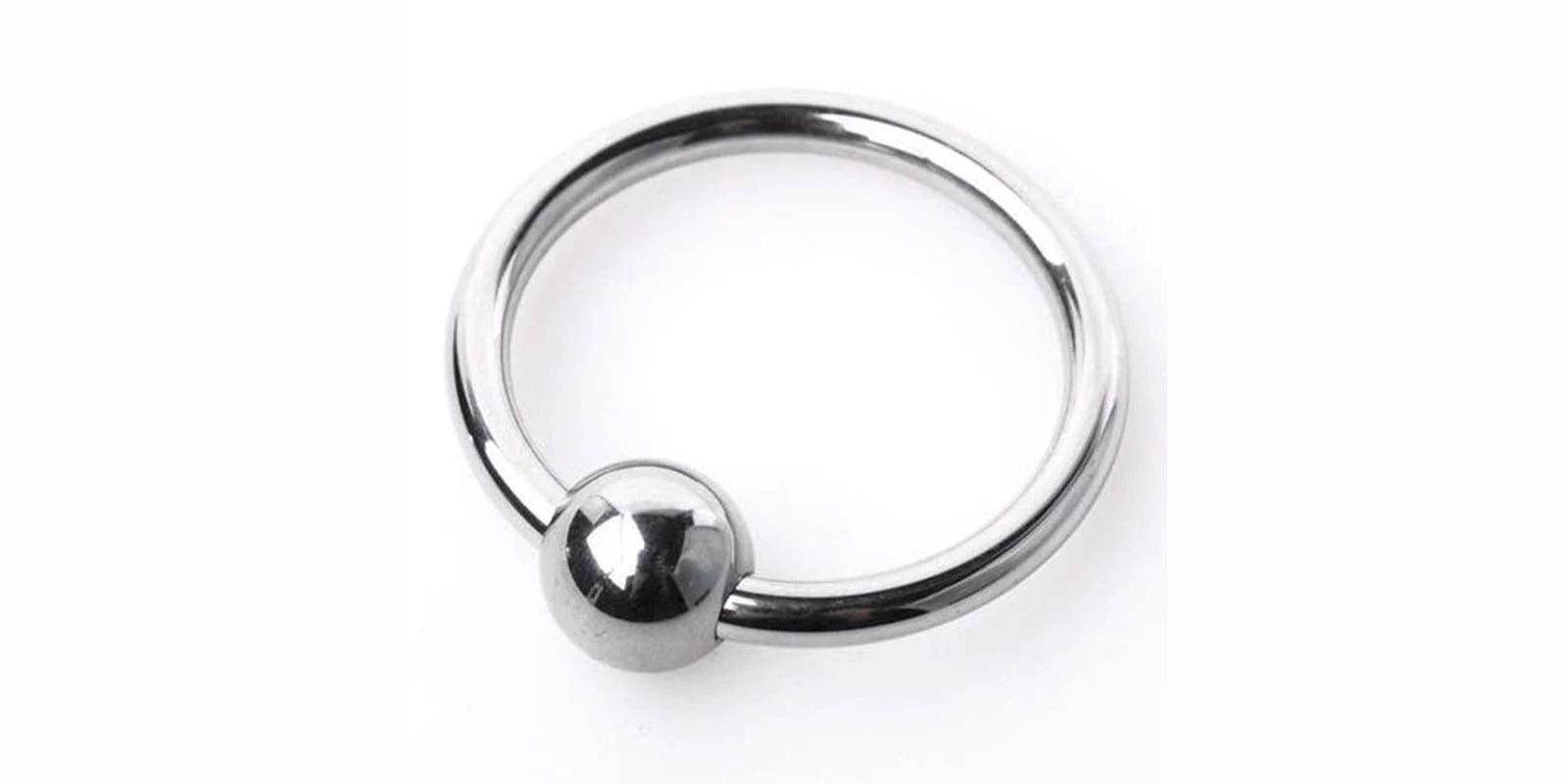
Exploring options like steel prostate toys, steel toys for dominants, or structured steel tools can offer a safer foundation for experimentation, as steel is highly durable and compatible with most materials.
Ultimately, the goal is not to limit exploration, but to support it in a way that feels safe, informed, and aligned with your body’s needs. When you approach it with awareness, mixing materials becomes less about risk and more about intentional experience.
Mixing Sex Toy Materials — Shop Now!
Understanding mixing sex toy materials allows you to move from uncertainty into confidence. By choosing compatibility, prioritizing hygiene, and staying connected to your body’s signals, you create a more grounded and enjoyable experience. This awareness supports not only physical safety but also emotional ease, helping you stay present, relaxed, and open to exploration in a way that feels truly supportive.
Key Takeaways
- Mixing sex toy materials requires awareness of compatibility and safety.
- Non-porous materials like steel and glass are generally safer and easier to clean.
- Improper material combinations can cause damage or irritation.
- Hygiene plays a critical role when using multiple materials together.
- Psychological safety enhances comfort and overall experience.
Frequently Asked Questions – Mixing Sex Toy Materials
Is it safe to mix different sex toy materials?
Yes, but only when the materials are compatible and properly cleaned before and after use.
Which materials are safest to combine?
Non-porous materials like stainless steel and glass are generally safe to combine with others.
Can silicone materials be used together?
Some silicone combinations can cause surface damage, so it’s best to avoid direct contact unless confirmed safe.
How should I clean mixed material toys?
Clean each material according to its requirements and ensure everything is fully dry before storage.
Why does material choice affect comfort?
Different materials impact temperature, texture, and hygiene, all of which influence how the body responds.