
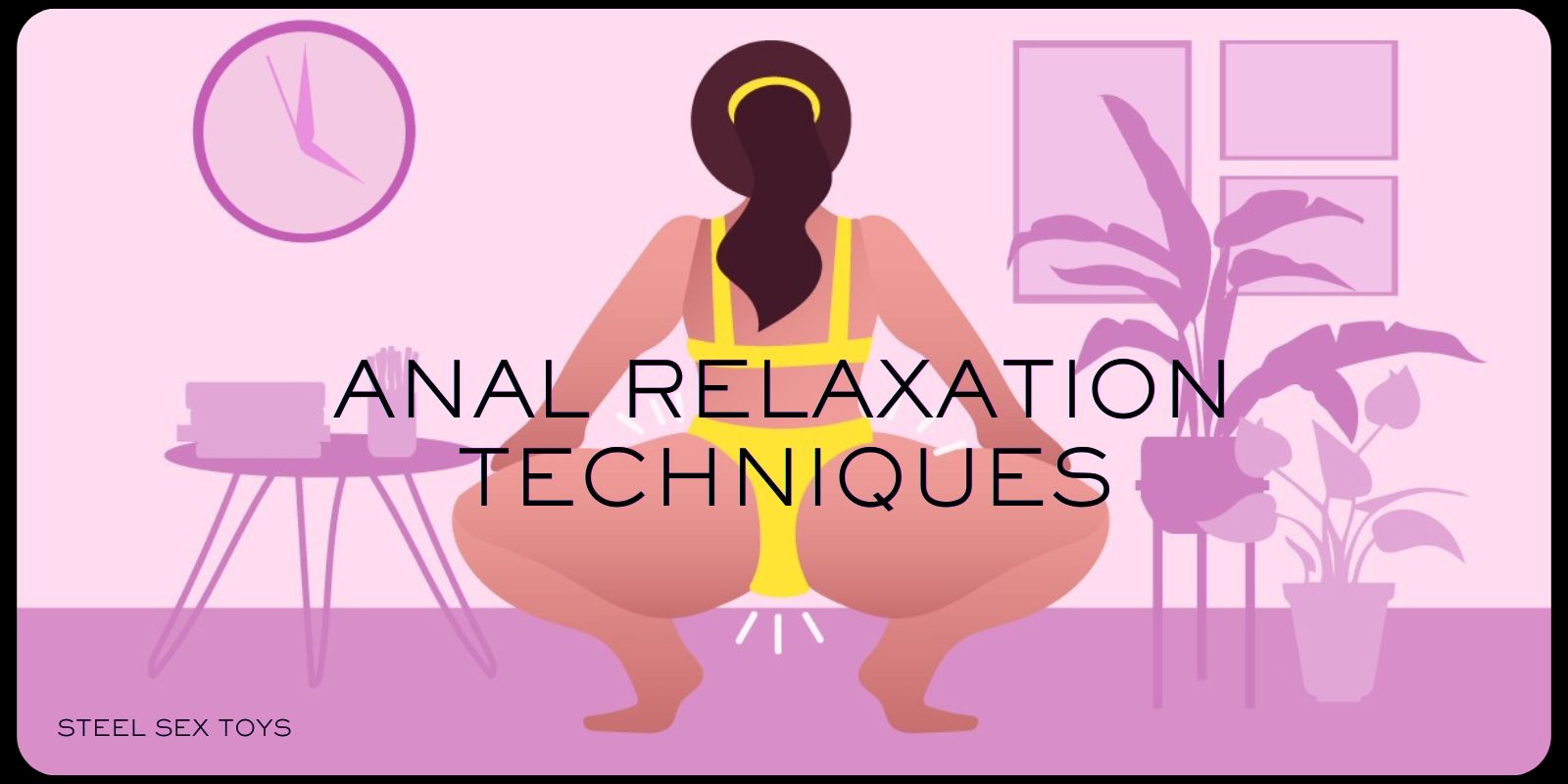
Anal Relaxation Techniques for Comfort and Control
Anal relaxation techniques focus on reducing tension, calming the nervous system, and building gradual comfort. When approached with patience, breath awareness, and trust, they can transform the experience from guarded to relaxed and controlled.
Exploring anal relaxation techniques can feel intimidating at first, especially when the body naturally responds to unfamiliar sensations with tension. This is not a flaw—it is a protective reflex rooted in the nervous system. When approached slowly and with awareness, the body can learn to shift from guarding into allowing, creating a sense of safety that supports comfort and control.
This guide takes a grounded, psychology-informed approach to anal relaxation techniques, helping you understand not just what to do, but why your body responds the way it does. When you combine physical preparation with emotional regulation, the experience becomes less about pushing through and more about listening, adapting, and building trust with your own body over time.
Table of Contents – Anal Relaxation Techniques
- Understanding Anal Tension and the Nervous System
- The Mind-Body Connection in Relaxation
- Breathing Techniques That Support Relaxation
- Gradual Progression and Body Trust
- Creating a Safe and Comfortable Environment
- Using Tools to Support Anal Relaxation
- Common Challenges and How to Respond
- Key Takeaways
- Frequently Asked Questions

Understanding Anal Tension and the Nervous System
The body’s response to anal stimulation is closely tied to the autonomic nervous system, particularly the balance between sympathetic activation (tension, guarding) and parasympathetic activation (relaxation, openness). The anal sphincter muscles are designed to contract reflexively when the body perceives uncertainty or threat, which is why forcing relaxation rarely works.
In my studies, one pattern I’ve noticed is that people often interpret tension as failure, when it is actually communication. The body is asking for safety, not pressure. When you slow down and respond to that signal—through breath, pacing, and awareness—you begin to shift from resistance into cooperation, which is where real comfort begins to develop.
The Mind-Body Connection in Relaxation
Relaxation is not purely physical; it is deeply psychological. Thoughts, expectations, and past experiences all influence how the body responds. If there is anxiety, urgency, or pressure to “perform,” the body is more likely to tighten. This is especially relevant in areas associated with vulnerability, where trust and safety play a central role.
One pattern I’ve noticed in practice is that when individuals focus on curiosity rather than outcome, the body softens more naturally. Instead of asking, “Is this working?” shifting to “What am I feeling right now?” creates space for awareness. This subtle shift reduces performance pressure and allows the nervous system to settle.
Attachment patterns can also influence how quickly relaxation happens. People with a more anxious or avoidant orientation may either rush or withdraw. Recognizing this dynamic helps you approach anal relaxation techniques with more compassion, adjusting your pace rather than judging your response.
Breathing Techniques That Support Relaxation
Breath is one of the most effective tools for influencing the nervous system. Slow, diaphragmatic breathing signals safety to the body, encouraging muscles—including the pelvic floor—to release. When the breath is shallow or held, the body tends to remain in a guarded state.
A simple approach is to inhale slowly through the nose, allowing the belly to expand, and exhale gently through the mouth. During exhalation, the pelvic floor naturally softens. This is the moment where relaxation becomes more accessible. Over time, pairing breath with sensation helps retrain the body’s response.
According to this guide on gentle stretching and relaxation, gradual breathing and awareness-based techniques can significantly improve comfort. The emphasis is always on patience, allowing the body to adapt rather than forcing it to change.
Gradual Progression and Body Trust
One of the most important aspects of anal relaxation techniques is progression. The body responds best to gradual exposure, where each step builds on a sense of safety established in the previous one. Jumping too quickly into intensity often triggers the opposite response—tightening and discomfort.
Working with gradual progression allows the nervous system to recalibrate. Each positive, comfortable experience reinforces the idea that the situation is safe. Over time, this creates a feedback loop where relaxation becomes more accessible and less effortful.
If you are exploring structured approaches, this guide on anal training with steel plugs explains how consistent, incremental practice can support both comfort and control. The key is not speed, but consistency and attentiveness.
Creating a Safe and Comfortable Environment
Environment plays a subtle but powerful role in how the body responds. Lighting, temperature, privacy, and emotional context all influence the nervous system. A space that feels rushed or exposed can increase tension, even if the physical technique is correct.
In practice, creating a calm and predictable setting helps signal safety. This might include soft lighting, comfortable positioning, and ensuring that there are no time pressures. The more your environment communicates “you can take your time,” the more your body will begin to believe it.
Using Tools to Support Anal Relaxation
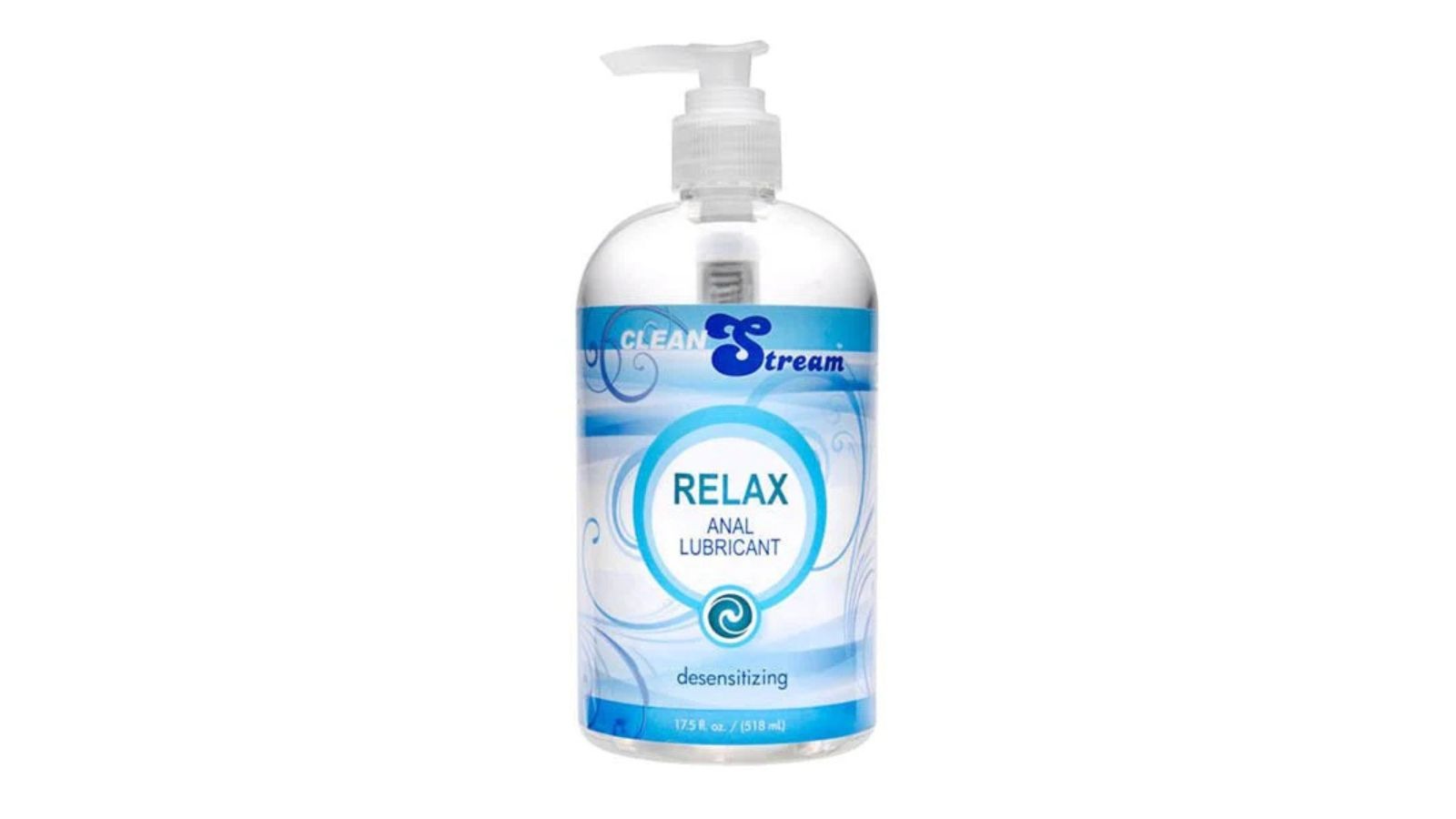
Supportive tools can make a significant difference when used mindfully. Smooth, body-safe materials reduce friction and allow for more controlled, gradual exploration. The goal is not to rely on tools, but to use them as extensions of a relaxed, attentive approach.
For example, steel butt plugs designed for gradual training provide weight and stability that some people find grounding. The sensation can help the body settle into awareness rather than react to unpredictability.
It’s equally important to understand safety considerations. Resources like this safety guide highlight how awareness and preparation are essential when introducing any new tool, ensuring that relaxation remains the priority.
Common Challenges and How to Respond
It is common to encounter moments where the body resists, even when you are doing everything “right.” This does not mean you are failing. Often, it simply means the body needs more time, or that something in the environment or mindset is not fully aligned with safety.
One approach I often return to is pausing rather than pushing. When you stop, breathe, and reconnect with sensation, you give the nervous system a chance to reset. This is where real progress happens—not in forcing forward, but in responding intelligently to what your body is communicating.
According to clinical insights on pelvic floor function, tension patterns are often habitual and require consistent, gentle retraining. This reinforces the idea that patience is not just helpful—it is essential.
Anal Relaxation Techniques
Anal relaxation techniques are ultimately about relationship—how you relate to your body, your sensations, and your pace. When you approach the process with curiosity, patience, and respect, the body gradually shifts from guarding to allowing. This is not something that can be rushed, but it is something that can be learned.
Over time, the focus moves away from technique and toward awareness. Comfort and control emerge naturally when the nervous system feels safe, supported, and unhurried. This is where the experience becomes not just easier, but more connected and intentional.
Key Takeaways
- Anal relaxation techniques rely on nervous system safety, not force
- Breathing and awareness are essential tools for reducing tension
- Gradual progression builds trust and improves comfort over time
- Environment and mindset significantly influence physical relaxation
- Patience and consistency are key to long-term comfort and control
Frequently Asked Questions – Anal Relaxation Techniques
What are anal relaxation techniques?
They are methods that help reduce tension in the body and support gradual, comfortable relaxation through breath, pacing, and awareness.
Why does the body tense up?
The anal muscles are designed to contract as a protective reflex, especially when the nervous system senses uncertainty or stress.
How long does relaxation take?
It varies for each person, but consistent, gradual practice tends to improve comfort over time.
Is breathing really important?
Yes, slow breathing helps activate the parasympathetic nervous system, which supports muscle relaxation.
Can tools help with relaxation?
When used mindfully, body-safe tools can support gradual progression and improve comfort.